Share This
What Disneyland Reminded Me About Presence (And Why It Matters for Leaders)
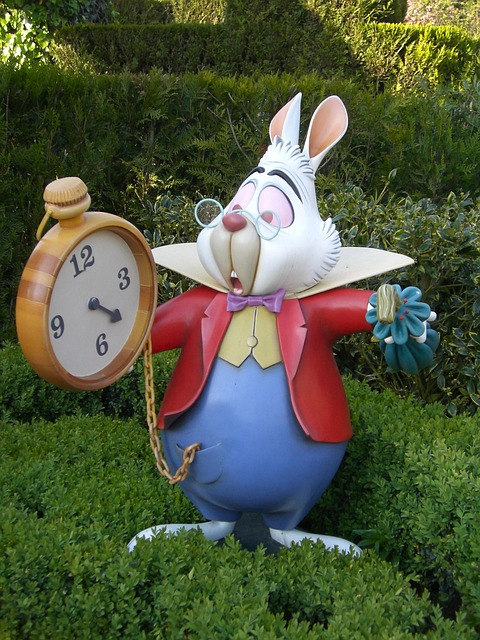
My family spent two days at Disneyland. I spent most of it somewhere else entirely.
Not physically — I was there. I stood in the lines, rode the rides, ate the overpriced food. But mentally, I was somewhere between a client situation I hadn’t fully resolved and a project that was nagging at me. I was going through the motions of being present while my actual attention was somewhere back in Phoenix.
At some point — I think we were waiting for the parade — my youngest grabbed my hand and asked me to look at something. And I realized I had no idea what she had been talking about for the last ten minutes.
I had been nodding. But I hadn’t been there.
Presence isn’t a soft skill
I want to make a case for presence that goes beyond the personal — beyond being a better parent or spouse or friend, as important as those things are. I want to make the case that the ability to be fully present is one of the most powerful and underrated leadership capabilities there is.
When you’re genuinely present with someone — not planning your response, not half-monitoring your phone, not running the background process of everything else you need to do — people feel it. They feel that they matter. They think more clearly. They take more risks. They bring more of themselves to the work.
Conversely, when a leader is visibly absent — technically in the room but not really there — the effect on the people around them is immediate and measurable. Conversations stay shallow. Trust erodes slowly. People learn not to bring the important things.
Your presence, or lack of it, shapes the quality of every interaction you have. And interactions are where leadership actually happens.
What snapped me back
Standing there watching the parade, I made a deliberate decision. I put my phone in my pocket. I let the client situation be unresolved for a few hours. I looked at what my daughter was pointing at.
It was a float. A fairly ordinary float by Disneyland standards. But the way she described it — the specific details she had noticed, the joy she took in explaining it to me — was anything but ordinary.
I had been missing it. Not just the float. Her. The whole trip.
And the thing that I keep coming back to is this: I didn’t get those hours back. They happened with or without my attention. The only question was whether I was going to be in them.
The practice of returning
Full presence all the time isn’t realistic. Our minds are meaning-making machines. They wander. That’s not a flaw to fix — it’s just how minds work.
What is possible is noticing when you’ve gone elsewhere — and choosing to return. Not with self-judgment. Just with intention.
In the middle of your next important conversation, try this: notice where your attention actually is. Not where you think it should be. Where it is. And if it’s somewhere other than the person in front of you — gently, deliberately, bring it back.
That act of returning is presence. It’s available to you in every meeting, every one-on-one, every conversation that matters.
And it matters more than most of what we spend our leadership energy on.
Want insights like this in your inbox every week? → Subscribe here.
I explore presence and what it means to lead from your fullest self in my book The Pinocchio Principle: Becoming a Real Leader.